














.jpg?la=en&h=320&w=720&hash=244C75B74F0F77521D56164450973BCD)













.jpg?la=en&h=310&w=720&hash=8D9823F26AA80B2B75C3E4B2E61770DC)


.jpg?la=en&h=320&w=719&hash=13CA7E4AA3E453809B6726B561F2F4DD)
.jpg?la=en&h=306&w=720&hash=F21A7CD3C49EFBF4D41F00691D09AEAC)

.png?la=en&h=320&w=720&hash=18CFCCD916C92D922F600511FABD775D)







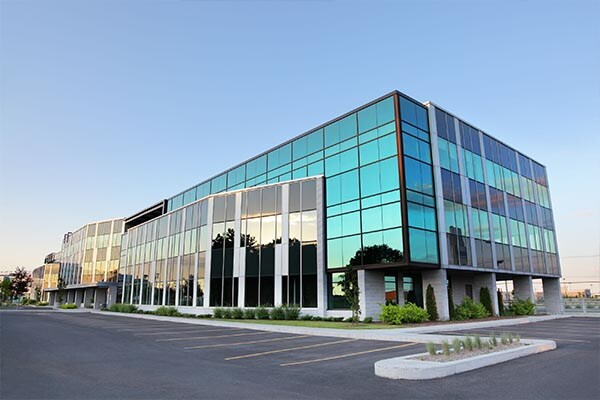

Managing a large rural campus efficiently
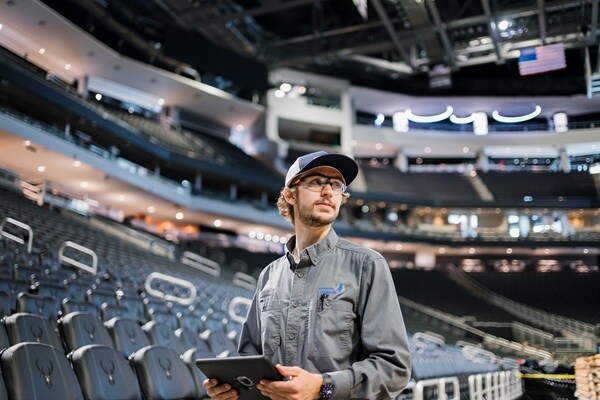
With more than 35 buildings spread across a rural campus serving 13,000 students, faculty, and staff, this Midwest university faced mounting pressure to keep facilities safe, comfortable, and efficient. Limited staffing and tight budgets made it difficult for the facilities team to maintain consistent performance across classrooms, laboratories, and residence halls.
By leveraging Connected Controls Service, the university gained deeper visibility into its existing building automation systems, enabling faster issue resolution, improved reliability, and measurable operational improvements.
Impact Highlights

88% reduction in system overrides in one month

230+ engine duplicates eliminated

12% median annual energy savings reported by organizations that made BAS improvements similar to this university
Managing a complex campus with limited resources
Responsible for supporting more than 35 buildings serving 13,000 students, faculty, and staff, the university’s facilities team was operating at full capacity. Day‑to‑day demands, combined with time and budget constraints, made it difficult to proactively assess system performance or consistently prioritize work.
Without a clear view into how their building automation systems were performing, the team struggled to identify root causes, reduce manual overrides, and resolve recurring issues efficiently. They needed a faster, more effective way to create operational efficiencies, reduce costs, and improve resolution times, while working within existing resources.
Building a stronger campus operations strategy
To address these challenges, the university implemented Connected Controls Services, an advanced service experience that combines cloud‑based diagnostics with expert controls support.
Through the service, the university gained deeper visibility into its building automation systems. Performance issues were identified remotely, and service experts worked with the facilities team and a local technician to prioritize actions and address root causes. This approach enabled the university to improve system performance and reliability without additional operational overhead.
Story 8
“This additional visibility of our equipment helped identify areas of need, provided updated information of potential issues with the BAS, and offered deeper analysis and areas to focus on.”
A new standard for campus operations
With better data and expert‑led prioritization, the university quickly began seeing measurable improvements across its campus. Facilities teams streamlined day‑to‑day operations, reduced inefficiencies, and improved system performance across more than 35 buildings. Among the most notable outcomes were:
- 88% reduction in system overrides within one month
- 230+ engine duplicates eliminated
- Businesses with similar improvements report median annual energy savings of 12%1
1Katipamula, S. and Fernandez, N. (2020, September 21). Improving Commercial Building Operations through Building Re-tuning™: Meta-Analysis [PowerPoint Presentation]. Pacific Northwest National Laborator
About the Midwest university
About the facility
- Large rural university campus
- Serves approximately 13,000 students, faculty and staff
- More than 35 buildings requiring specific conditions
Solutions:


Similar stories

Georgia university achieves $90K in annual savings with data-driven maintenance
A leading university strengthened campus-wide performance by adopting data-driven maintenance. With clearer insights across 40 buildings, teams cut manual work and achieved nearly $90,000 in savings while supporting research productivity and student experience.

Stanford reduces peak energy demand by 17% and lowers GHG emissions by 68%
Stanford’s SESI redesign slashes energy demand and emissions, setting a new benchmark for sustainable campuses.

Six-building campus identifies over AU$200,000 in potential savings
An Australian real estate group uncovers major efficiency gains by unifying visibility across its six-building complex. OpenBlue digital solutions revealed 1,700 hours of energy inefficiencies and significant savings potential, supporting the real estate group’s broader net zero strategy.
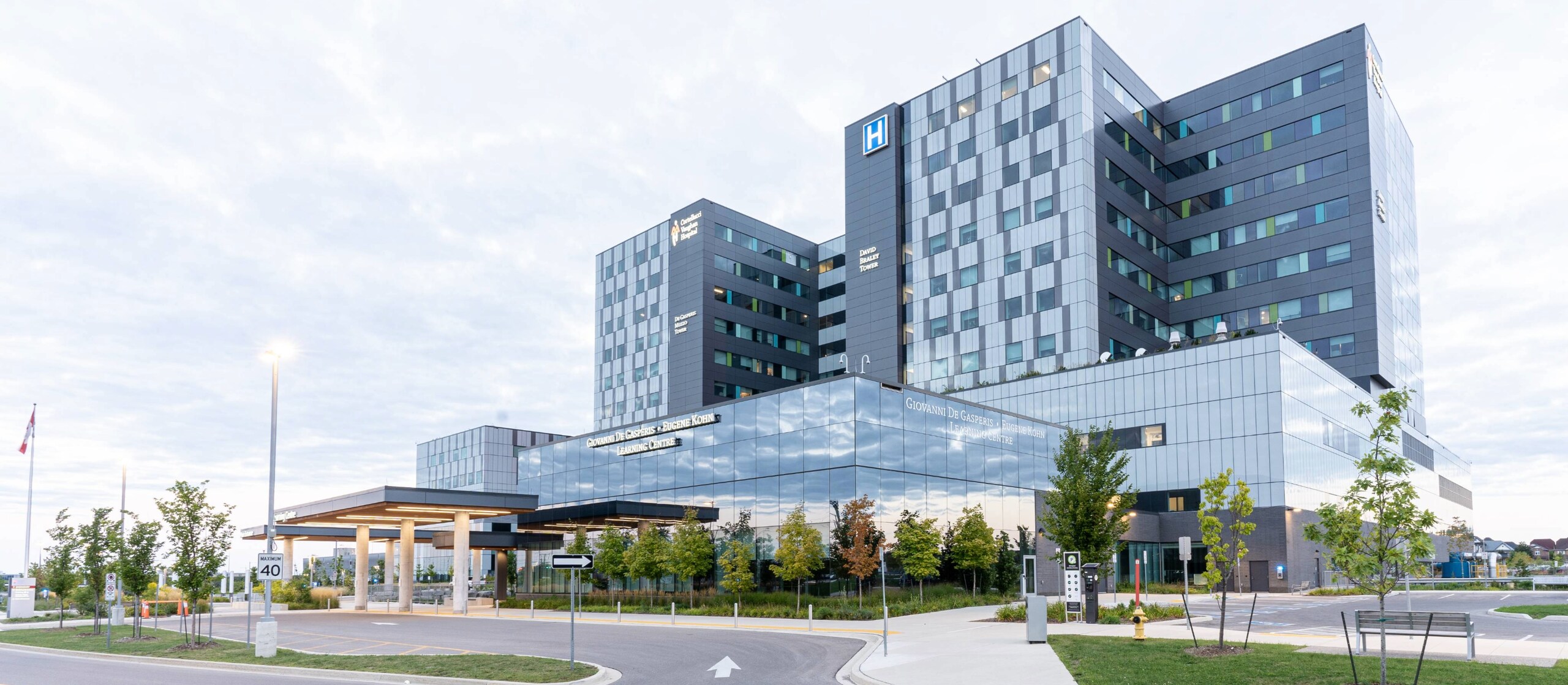
Cortellucci Vaughan Hospital improves efficiency and sustainability with smart systems
Cortellucci Vaughan Hospital, Canada’s first smart hospital, uses OpenBlue and Metasys to reduce energy use, improve operational performance, and enhance patient experience, earning LEED Silver certification and ranking among top performers in energy efficiency.