
















.jpg?la=en&h=320&w=720&hash=244C75B74F0F77521D56164450973BCD)













.jpg?la=en&h=310&w=720&hash=8D9823F26AA80B2B75C3E4B2E61770DC)


.jpg?la=en&h=320&w=719&hash=13CA7E4AA3E453809B6726B561F2F4DD)
.jpg?la=en&h=306&w=720&hash=F21A7CD3C49EFBF4D41F00691D09AEAC)

.png?la=en&h=320&w=720&hash=18CFCCD916C92D922F600511FABD775D)










Advancing a renewable energy future while modernizing campus infrastructure
Impact Highlights

$81.7M in guaranteed savings over the 14-year contract term

~14 GWh per year reduction in fossil-fuel energy use, equal to 45%

~13 GWh of on-site renewable generation added
Modernizing aging campus facilities while advancing renewable energy commitments
University of Hawaiʻi Maui College needed to modernize aging facilities while supporting the University of Hawaiʻi system’s net-zero commitment by Jan. 1, 2035 and the State of Hawaiʻi’s goal of 100% renewables by 2045. The campus operated in Hawaiʻi’s energy context, where remote islands face very high energy costs and about 90% fossil fuel reliance.
The college also needed to reduce an approximately $20M deferred-maintenance backlog across aging campus facilities. The project required a phased approach that could support infrastructure renewal, energy management and long-term performance objectives while keeping delivery on schedule.
A phased performance contract supporting deep campus retrofits
University of Hawaiʻi Maui College advanced a phased infrastructure modernization program through a performance contract supported by Johnson Controls. Audit and construction took place from 2017 to 2018, with the performance guarantee running from 2019 to 2032.
The project delivered HVAC, building automation, metering, solar PV and battery storage upgrades. It also included energy management and ongoing maintenance to optimize performance across the upgraded facilities.
The campus built on phase-one performance contracts begun in 2010 and developed a phase-two solar and storage ownership model with Pacific Current. Deep retrofits drove the largest shares of annual savings, with 7.7 MW/28.6 MWh on O‘ahu and 2.8 MW/13.2 MWh at Maui College.
Guaranteed savings exceeded while renewable generation expanded
University of Hawaiʻi Maui College achieved $13.5 million in guaranteed savings to date, exceeding the guaranteed amount by $1.2 million. Over the 14-year contract term, the project is expected to deliver $81.7 million in guaranteed savings.
Key outcomes include:
- Reduced fossil-fuel energy use by approximately 14 GWh annually (45%)
- Added approximately 13 GWh of on-site renewable energy generation
- Reduced energy demand and consumption by approximately 80%
- Reduced an estimated $20 million deferred-maintenance backlog
In addition, energy improvements accounted for 86.3% of total savings, while water savings represented 8.4%, with additional savings generated through operations and maintenance efficiencies.
About University of Hawaiʻi Maui College

About the facility
- Public college in Kahului, Maui
- One of ten campuses in the University of Hawaiʻi system
- 55 buildings and 1.5 million square feet
Solutions:


Similar stories
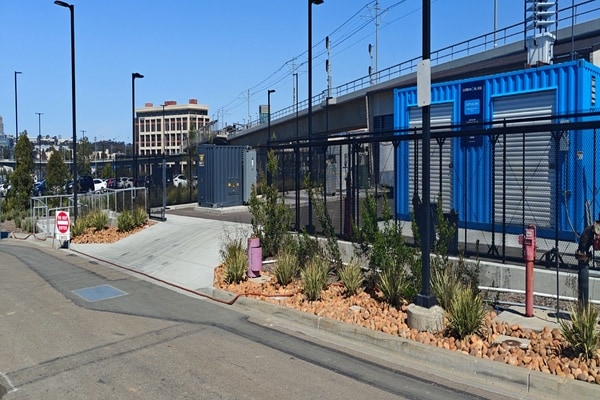
University of California San Diego Pioneers First U.S. Grid-Scale Living Lab
The University of California San Diego is a leading research institution advancing innovative solutions for energy systems and sustainability. Through DERConnect, UCSD is developing new approaches to integrate distributed energy resources, improve grid reliability, and support low-carbon energy systems.
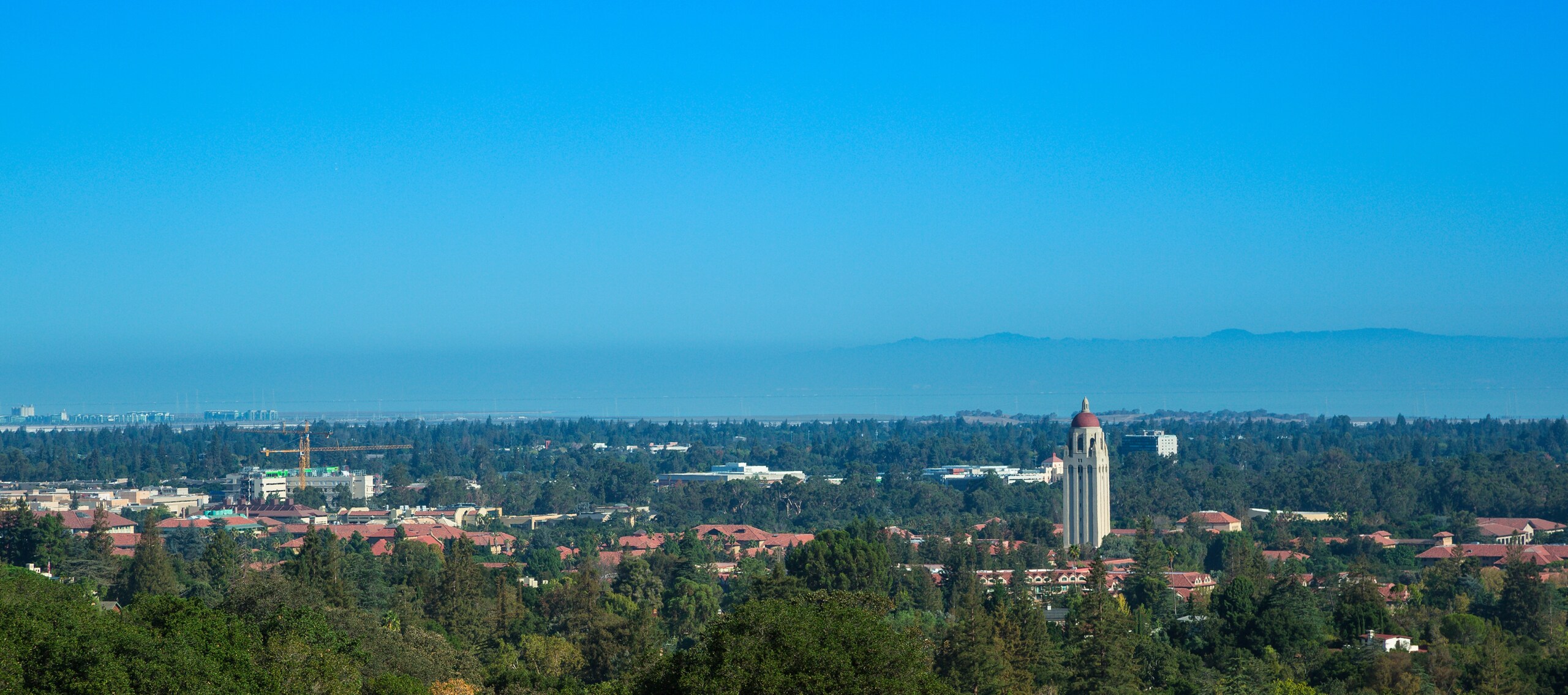
Stanford reduces peak energy demand by 17% and lowers GHG emissions by 68%
Stanford’s SESI redesign slashes energy demand and emissions, setting a new benchmark for sustainable campuses.

A Midwest University Optimizes Campus Operations
A large, rural university in the American Midwest serving approximately 13,000 students, faculty, and staff. For more than 30 years, the institution has partnered with Johnson Controls to maintain safe, comfortable, and efficient campus operations.

Georgia university delivers four‑month ROI through data‑driven campus maintenance
A leading public research university recognized for its engineering, computing, sciences, and interdisciplinary research. The institution serves tens of thousands of students, supports significant research activity, and maintains a large, diverse campus infrastructure designed to enable innovation, collaborations, and high-quality academic experience.