
















.jpg?la=en&h=320&w=720&hash=244C75B74F0F77521D56164450973BCD)













.jpg?la=en&h=310&w=720&hash=8D9823F26AA80B2B75C3E4B2E61770DC)


.jpg?la=en&h=320&w=719&hash=13CA7E4AA3E453809B6726B561F2F4DD)
.jpg?la=en&h=306&w=720&hash=F21A7CD3C49EFBF4D41F00691D09AEAC)

.png?la=en&h=320&w=720&hash=18CFCCD916C92D922F600511FABD775D)





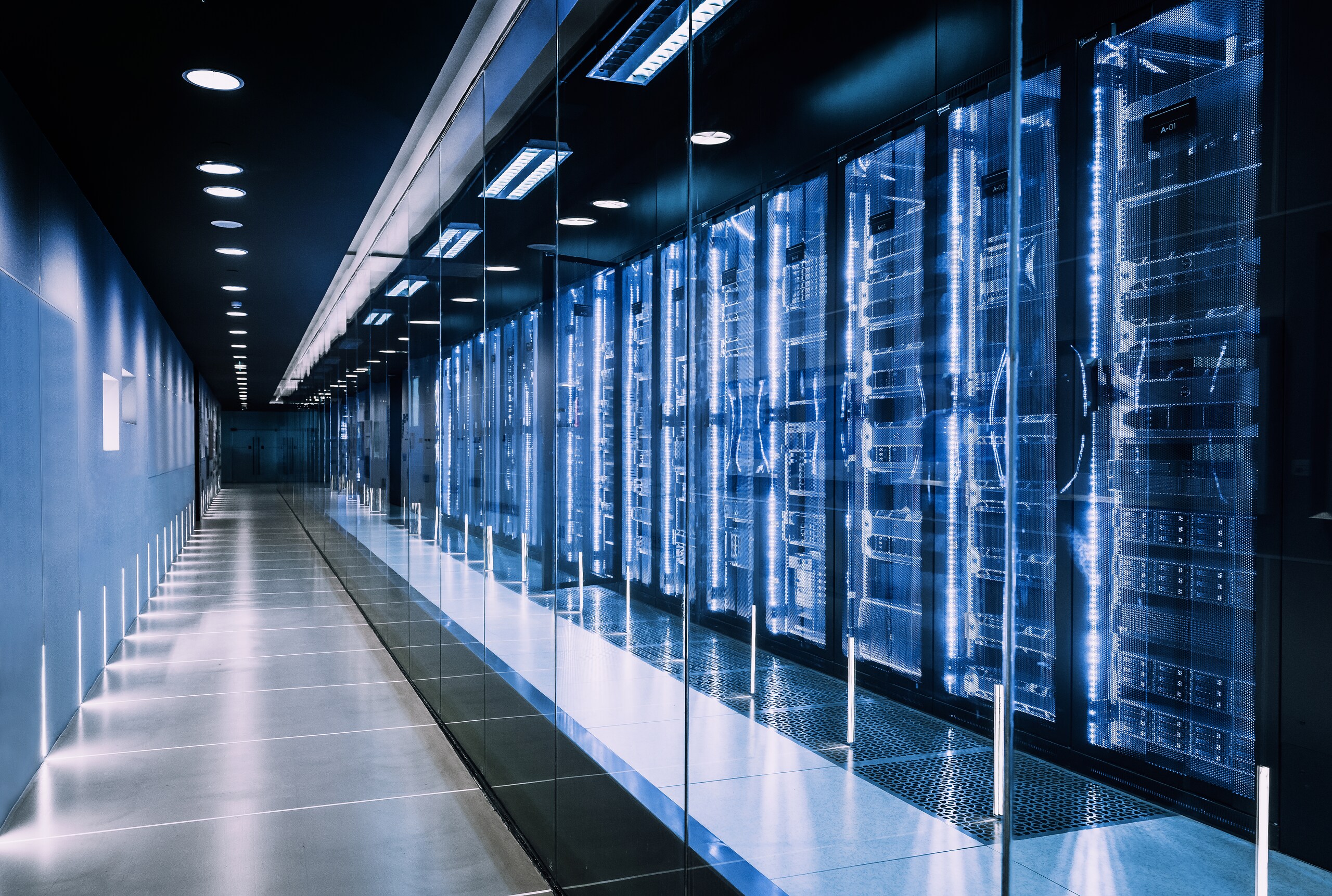
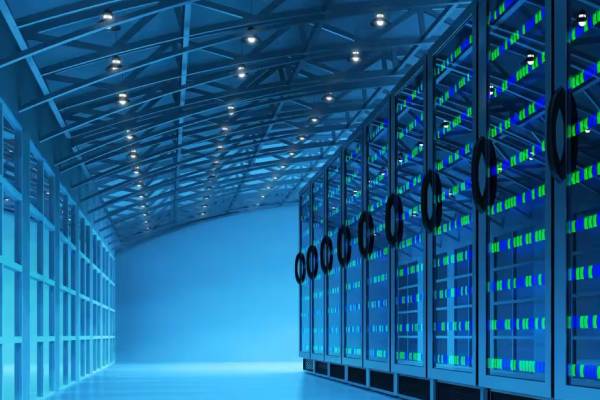



AI is accelerating a structural shift in how data centers are designed and operated. As workloads grow denser and more dynamic, power availability has become one of the defining constraints of AI growth. In an environment where water is precious, Power Usage Effectiveness (PUE), which is the ratio between power consumed by the data center computing IT and the data center in its entirety, has emerged as a clear and widely used measure of how efficiently a facility can convert limited electrical capacity into usable compute.
While the average rating for data centers globally has improved over time to around 1.5, there is still significant progress to be made. Leading AI-ready facilities are targeting values as low as 1.2 or below, meaning 17% or less of total facility power is not consumed by the IT load. Tightening utility power and rising sustainability expectations make a low PUE essential to scaling AI responsibly and cost‑effectively.
Adaptive cooling performance built to optimize PUE
AI workloads are rarely steady state. Training generates sustained thermal loads, while inference can create significant and rapid peaks and troughs. This variability has a direct impact on PUE, because cooling systems that are not designed to respond efficiently may overcool when the thermal load is low or tax the power grid to provide enough cooling during peak loads. The closer cooling aligns to the IT load, the less energy is wasted, and the more power is preserved for compute.
Rising AI density is pushing operators to prioritize cooling designs engineered for adaptive, high efficiency performance. Improving PUE ultimately depends on the efficiency of the systems that reject heat back to ambient, and this is where advanced chiller technology plays the decisive role.
Heat rejection and the impact on PUE
Rising cooling demand makes heat rejection efficiency the single biggest factor shaping PUE. The YORK YDAM air-cooled magnetic bearing centrifugal chiller is purpose-built for the high density, multi-storey data centers driving today’s AI growth. Delivering up to 3.5MW of cooling and up to 20% higher capacity within the same footprint than comparable systems.
The YDAM’s performance is proven through development and validation at the Johnson Controls Advanced Development Engineering Center (JADEC), the largest and most advanced facility of its kind. JADEC enables rigorous testing across diverse load profiles, extreme climates, and the unpredictable thermal behavior of AI‑driven environments.
Because JADEC can simulate the full spectrum of operating conditions data centers face, equipment like the YDAM is tested against real‑world challenges before it ever reaches a customer site. Backed by dedicated support teams and fast parts delivery, its performance advantages carry through to real-world operation.
Facility optimization: high-capacity data center performance in the UK
In a high‑capacity UK data center operated by a global financial services organization, Johnson Controls applied system‑level optimization to an already efficient chilled‑water plant as part of the customer’s net zero strategy.
Through a retrofit program focused on heat-rejection performance and improving cooling efficiency, the site reduced PUE from approximately 1.42 to 1.296, achieving an ~8% improvement in chilled-plant energy efficiency. These improvements delivered meaningful energy and cost savings while maintaining mission‑critical reliability, demonstrating how targeted cooling enhancements can directly expand available compute capacity.
For operators building AI‑ready infrastructure, this case shows the measurable impact that efficient heat rejection and high‑performance chiller technology can have on PUE. Even in mature facilities, meaningful gains are achievable when cooling performance is engineered to return more power to IT, strengthening PUE and expanding the capacity needed to support AI growth.
Improve your PUE. Unlock more compute.
FAQs
Why is cooling central to AI data center economics?
Cooling consumes most non‑IT power, so better cooling lowers PUE, cuts costs and frees more electrical capacity for AI compute.
Can efficiency improvements really move PUE at mature sites?
Yes. As the UK case study shows, even highly optimized facilities can unlock further gains with advanced digital solutions and controls.
How does Johnson Controls help future proof AI data centers?
By delivering scalable, adaptive thermal platforms designed to support rising densities, tighter sustainability requirements, and long-term operational reliability.