













.jpg?la=en&h=320&w=720&hash=244C75B74F0F77521D56164450973BCD)










.jpg?la=en&h=310&w=720&hash=8D9823F26AA80B2B75C3E4B2E61770DC)


.jpg?la=en&h=320&w=719&hash=13CA7E4AA3E453809B6726B561F2F4DD)
.jpg?la=en&h=306&w=720&hash=F21A7CD3C49EFBF4D41F00691D09AEAC)

.png?la=en&h=320&w=720&hash=18CFCCD916C92D922F600511FABD775D)




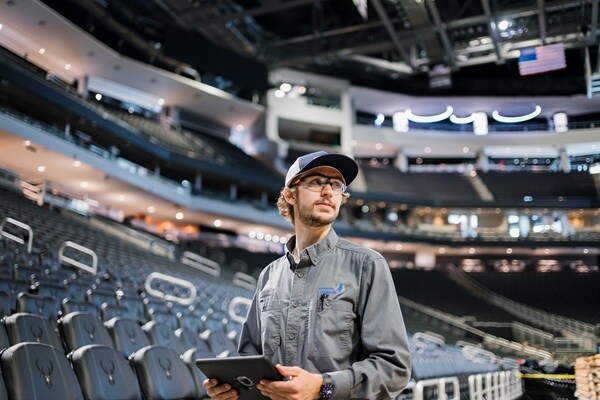


The Five Ss of data center fire suppression


Data halls are hotter, tighter and more complex than ever. That means the cost of selecting unsuitable fire protection isn’t just a bigger cleanup or replacing a server. It means potentially lost capacity, contractual penalties and reputational risk.
The Five S model aligns safety, space, speed, spend and sustainability to create a strategy that balances risk, resilience and operational priorities.
Alan Elder, Fellow – Industry Relations for Johnson Controls detailed these components in an article for Data Centre Solutions. This summary gives you insight into the key topics covered in the article.
1. Safety
Protecting occupants and equipment is the top priority in fire suppression. Gas systems using halocarbons or inert gases extinguish fires quickly without harming people or leaving residue, making them ideal for sensitive electronics. Water-based systems control fires effectively, but may damage equipment. Aerosols can pose health risks and leave harmful residue, making them unsuitable for occupied or electronic spaces.
2. Space
Equipment footprint matters. Gas systems require less space than water-based systems, which need pumps and tanks. In regions where sprinklers are mandated, gas systems can complement them without demanding significant additional space.
3. Speed
Rapid response is essential to prevent fire spread. Gas systems detect smoke early and discharge within seconds to minutes, while water-based systems rely on heat, which can delay activation – especially in high-airflow environments. A gas system backed by sprinklers offers the fastest protection while minimizing risk of equipment damage.
4. Spend
Budget considerations start with code requirements, but total cost of ownership should also be evaluated. This includes the costs of cleanup, downtime and equipment replacement in the event of a fire. Cleanup and downtime costs can be significantly higher with a water-based system than with a gas system that’s backed by a water-based system.
5. Sustainability
Environmental impact is a growing priority for many data center owners and operators. Inert gases have low or no environmental impact, and advanced halocarbon agents like FK-5-1-12 offer negligible global warming potential. Water consumption may be a concern in water-scarce regions, making gas systems a more sustainable choice.
Bottom line: Every data center is unique. Applying the Five Ss model helps prioritize what matters most against your risk and recovery targets. Partnering with Johnson Controls means a strategy, not just a system. We’re here to help guide you across varying regions, codes and technologies.