
















.jpg?la=en&h=320&w=720&hash=244C75B74F0F77521D56164450973BCD)














.jpg?la=en&h=310&w=720&hash=8D9823F26AA80B2B75C3E4B2E61770DC)


.jpg?la=en&h=320&w=719&hash=13CA7E4AA3E453809B6726B561F2F4DD)
.jpg?la=en&h=306&w=720&hash=F21A7CD3C49EFBF4D41F00691D09AEAC)

.png?la=en&h=320&w=720&hash=18CFCCD916C92D922F600511FABD775D)









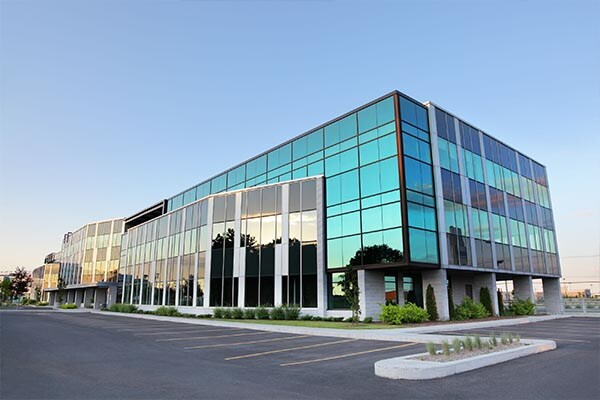



University and college campuses operate like small cities: central utility plants, academic spaces, residences, healthcare facilities, sports, recreation and round‑the‑clock campus life. With electricity costs climbing, campus operating budgets face increasing pressure. In the US, average retail electricity price is up by almost 30% since 2010i, according to the World Resources Institute, and recent forecasts show prices continuing to rise through 2026ii. The mandate is clear: energy efficiency must move from nice-to-have initiative to a priority for campus leadership.
Building technologies sit at the center of campus energy use, running continuously to support activities across classrooms, lecture halls, student dorms, and especially critical research spaces such as labs. The most impactful of these technologies are rarely the most visible, silently working in the background to ensure campus life and operations continue without disruption. These technologies are also typically the most energy-hungry, with HVAC systems, for example, accounting for up to 65% of energy use in research labs according to the National Renewable Energy Laboratory.iii
Modern HVAC systems, paired with intelligent building automation systems, deliver measurable improvements in efficiency and operational performance. Together, these systems represent some of the most powerful levers a campus has to meaningfully lower energy consumption, cut emissions, and gain more control over future costs without compromising learning outcomes and research quality.
From strategy to action: Driving energy efficiency and cost savings across campus with commercial heat pumps
Improving efficiency on a modern university campus starts with the systems that run every hour of the day. Identifying where to begin and how to optimize maintenance and upgrades without disrupting teaching schedules, residence life, or sensitive research environments is the challenge.
Johnson Controls YORK commercial chillers/heat pumps address that challenge. By replacing fossil‑fuel heating with high‑efficiency electric systems, organizations reduce carbon emissions, improving energy efficiency, and limiting exposure to volatile fuel markets. In 2024 alone, Johnson Controls helped customers reduce heating‑related expenses by up to 53% and cut emissions by nearly 60% compared to conventional natural‑gas boiler systems.
Electrification technologies are becoming key to driving operational results, delivering measurable outcomes as systems are commissioned and optimized by:
- Lower and more predictable operating costs, addressing energy price increases
- Modular, scalable deployment, to meet requirements of diverse facility types
- Simpler integration, supporting retrofit projects without disrupting critical operations
- Significant emissions reduction, accelerating progress toward decarbonization goals
Beyond cost and carbon, electrification strengthens resilience. When paired with advanced automation, AI‑driven insights, and integrated controls, electric systems allow facilities to adapt to changing loads, evolving climate conditions, and dynamic energy markets - unlocking smarter, more efficient operations without compromising performance.
Case study: Real‑world campus transformation
 Stanford University shows what’s possible when a campus shifts to high‑efficiency heat‑recovery systems. The university redesigned its central utility plant using OpenBlue optimization tools and YORK heat‑recovery chillers, thermal energy storage, and advanced digital controls. The results were immediate and significant: a 17% cut in peak energy demand and a 68% drop in campus greenhouse gas emissions.
The financial impact was just as strong. Stanford is saving about $500,000 per year and is on track to avoid $450 million in costs over the next 35 years compared to a “business as usual” path. The new system also increased heat‑recovery efficiency by 67% and reduced domestic water use by another 15%.
This combination of electrification, heat‑recovery, and real‑time optimization shows how modern HVAC can reshape a campus, reducing costs, cutting emissions, and improving resilience without disrupting academic life.
Why it matters
Efficient building systems help universities and higher-education facilities:
- Improve learning and productivity spaces: Optimal indoor air quality, steady temperatures, and reliable comfort support student wellbeing
- Ensure stable research environments: Labs and specialized facilities need precise temperature, humidity and airflow control
- Reduce operating costs: Electrification lowers fuel use, reduces exposure to price swings, and improves efficiency over time
- Advance climate goals: High‑efficiency, clean‑energy systems offer one of the fastest routes to campus‑wide decarbonization. Campuses are already seeing results: 17% lower peak demand. 68% lower emissions. $90K+ annual savings. Up to 30% lower energy costs
Energy efficiency. Where it really matters.
Your campus benefits from efficient, resilient, and sustainable buildings, across every lecture hall, lab, residence hall, and shared space.
"Energy efficiency is one of the rare investments that solves multiple campus challenges at once. It modernizes aging infrastructure, strengthens asset performance, reduces energy costs, and improves comfort and indoor air quality—creating a better learning and research environment for everyone."
-James Rosner, Principal Advisor—Higher Education at Johnson Controls
You need the right building technology partner to achieve transformative results. Johnson Controls is leading the efficiency transformation that enables campuses to step change energy performance and reduce costs while delivering academic excellence. Learn more about how we can help you achieve your goals.
Build a more efficient, resilient campus now
FAQs
Why is HVAC the most effective place for campuses to start their decarbonization journey?
Because HVAC systems account for the majority of campus energy use and emissions. Electrifying heating and cooling delivers faster, campus wide impact than most other building upgrades—without changing how students, faculty, or researchers use the space.
Can campuses upgrade HVAC without disrupting learning or research?
Yes. Modern electrification projects are typically phased and modular, allowing upgrades to occur while buildings remain occupied. Advanced controls ensure stable conditions in classrooms, labs, and residential spaces throughout deployment.
Can modern HVAC systems help campuses manage rising energy costs?
Yes. High-efficiency HVAC systems reduce fuel dependence, heat and cool more efficiently while requiring less energy to maintain comfortable conditions in lecture halls, research labs, and student dorms.
_____________________________
iWhat's Really Driving Up US Electricity Prices? We Unpack the Numbers, World Resources Institute (2025)
iiUS electricity prices continue steady increase, US Energy Information Administration (2025)
iiiUshering in the New Age of Laboratories: Smart Labs Practice, National Renewable Energy Laboratory (2022)