















.jpg?la=en&h=320&w=720&hash=244C75B74F0F77521D56164450973BCD)










.jpg?la=en&h=310&w=720&hash=8D9823F26AA80B2B75C3E4B2E61770DC)


.jpg?la=en&h=320&w=719&hash=13CA7E4AA3E453809B6726B561F2F4DD)
.jpg?la=en&h=306&w=720&hash=F21A7CD3C49EFBF4D41F00691D09AEAC)

.png?la=en&h=320&w=720&hash=18CFCCD916C92D922F600511FABD775D)








A leading Georgia university cuts $90K in costs with smarter, data-driven maintenance
Impact Highlights

$65,000 annual energy savings

$24,000 annual maintenance savings

4-month return on investment
Operational pressures required a more efficient ways of working
Digital solutions driven by the university’s strategy for scalable, data-led operations
To modernize campus operations, the university chose OpenBlue Equipment Performance, OpenBlue Net Zero Plus, and OpenBlue Insights as part of a broader effort to unify data and elevate decision making across facilities.
These digital solutions supported the university’s shift towards exceptions-based maintenance and provided the visibility need to reduce inefficiencies. By standardizing insights across a diverse set of buildings, campus teams could prioritize work more effectively and plan ahead with greater confidence. This strategic direction enabled the university to scale coverage rapidly – from an initial 4 buildings to 40- reflecting its long-term commitment to smarter, more resilient operations.
Smarter maintenance helped improved comfort, support research spaces, and reduce costs
The university’s shift to data-led operations strengthened the reliability of critical campus systems and reduced the burden of manual, repetitive tasks. These improvements supported the institution’s broader mission of enabling a high-quality research and learning environment.
Key results included:
- $65,000 in annual energy cost avoidance, enabling reinvestment into campus priorities
- $24,000 in annual maintenance avoidance
- 4-month return on investment, accelerating progress toward long-term operational excellence
- 115 corrective orders completed in the first year, improving building performance for research spaces and student facilities
- Streamlined VAV box damper and heater inspections, reducing delays that previously affected comfort and lab readiness
- Offset manual CO2 sensor calibration, enhancing air-quality monitoring into classrooms and academic buildings
Together, these steps delivered nearly $90,000 in annual savings and advanced the university’s goals of supporting research productivity, improving student experience, and ensuring resilient campus operations.
About Top Ranked University in Georgia
About the facility
- 400-acre campus
- 200+ buildings
- 11 remote buildings
Deployed solutions:


Similar stories

A Midwest University Optimizes Campus Operations with Metasys BAS
A Midwest university improved campus operations by reducing system overrides by 88% and eliminating 230+ engine duplicates using Metasys BAS.

Stanford reduces peak energy demand by 17% and lowers GHG emissions by 68%
Stanford’s SESI redesign slashes energy demand and emissions, setting a new benchmark for sustainable campuses.
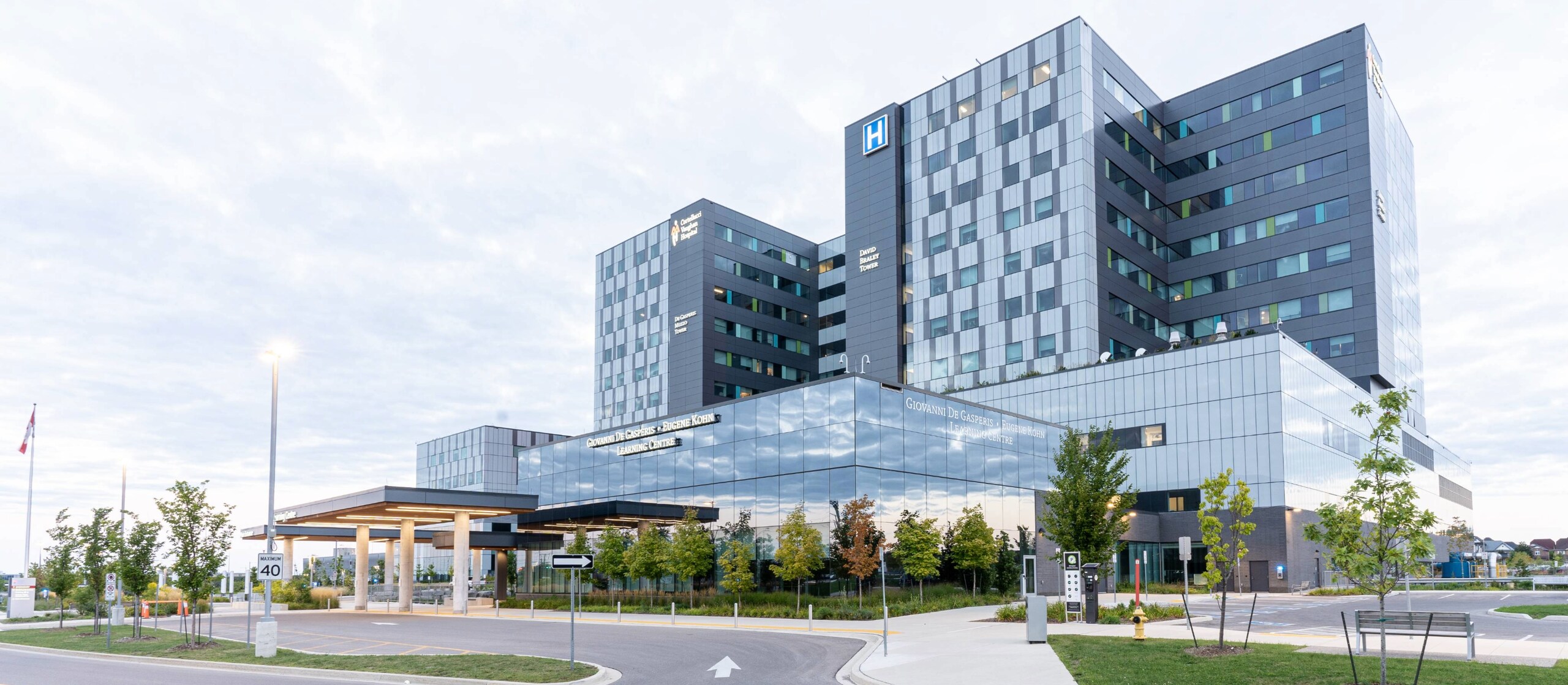
Cortellucci Vaughan Hospital improves efficiency and sustainability with smart systems
Cortellucci Vaughan Hospital, Canada’s first smart hospital, uses OpenBlue and Metasys to reduce energy use, improve operational performance, and enhance patient experience, earning LEED Silver certification and ranking among top performers in energy efficiency.
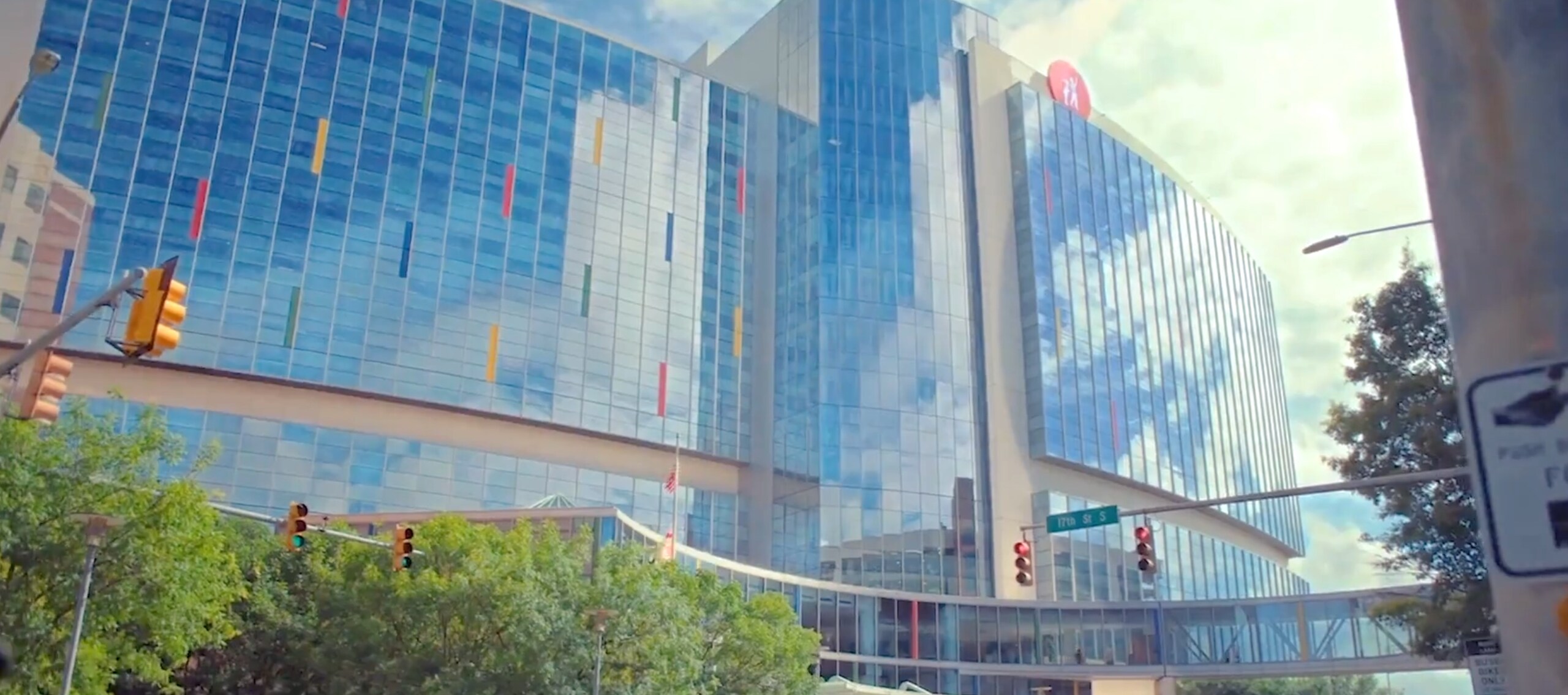
Children’s of Alabama cuts natural gas use by 69% and strengthens mission-critical patient care
Children’s of Alabama is boosting efficiency and sustainability by partnering with Johnson Controls to link facilities to a central utility plant and upgrade systems, cutting energy use (including a 69% drop in natural gas) and operational costs while improving patient care.