













.jpg?la=en&h=320&w=720&hash=244C75B74F0F77521D56164450973BCD)









.jpg?la=en&h=310&w=720&hash=8D9823F26AA80B2B75C3E4B2E61770DC)


.jpg?la=en&h=320&w=719&hash=13CA7E4AA3E453809B6726B561F2F4DD)
.jpg?la=en&h=306&w=720&hash=F21A7CD3C49EFBF4D41F00691D09AEAC)

.png?la=en&h=320&w=720&hash=18CFCCD916C92D922F600511FABD775D)





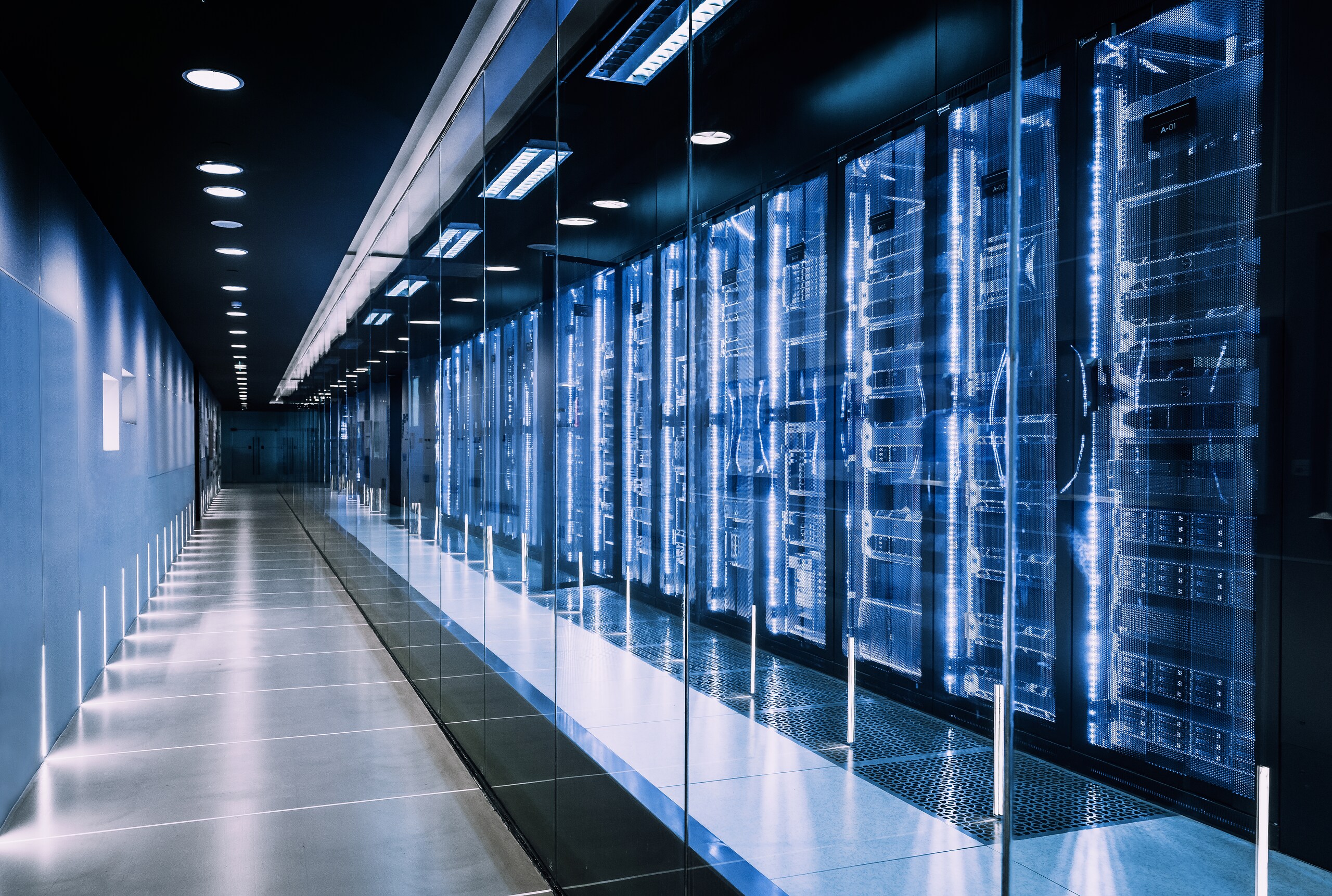



Today’s data halls are hotter, tighter, and more complex than ever ‒ creating fire risk conditions that fire protection strategies must keep pace with.
What was once a single computer room is now a maze of segregated airflow zones ‒ each intensifying heat in ways that demand critical thinking about detection, suppression and system design.
There are multiple solutions to a given fire risk challenge – and the right answer for your data center depends on many factors. This article offers practical guidance for data center owners, designers and operators. You’ll find an overview of the primary technologies, how to think about total cost of ownership (TCO) and environmental impact, and where each method best fits ‒ plus special considerations like airflow, acoustic effects and lithium-ion battery risks.
Start with a risk assessment
Effective fire protection starts with understanding the risk. A focused assessment clarifies what must be protected, how quickly systems must respond and how much operational disruption is tolerable. Key questions to answer:
- Protected areas: Which spaces require coverage ‒ data halls only, or also UPS/battery rooms, switchgear, and underfloor zones? Also consider other areas such as administrative and mechanical rooms.
- Response time: Smoke‑activated systems engage early in the incipient stage; heat‑activated systems react later, and response time is critical to limiting potential damage .
- Asset criticality: Are all racks essential or is infrastructure continuity the priority?
- Agent impact: Gaseous systems leave no residue; water‑based systems will need cleanup and replacement of some equipment in the protected space.
- Downtime tolerance: Faster reinstatement may justify reserve agent storage or alternative system selection.
Protecting data centers – an interactive discussion
What "fit for purpose" really means
With risks defined, technologies should be evaluated against practical constraints, this includes considering:
- Footprint: Space for tanks, pumps, system containers, manifolds, and pressure‑relief components.
- Installation & maintenance: System complexity, testing needs, and service accessibility.
- Infrastructure: Water supply, pipe sizing, power, and venting requirements.
- Return to service: Post‑discharge cleanup, refill, and timeline for system restoration.
- Regulatory alignment: Insurer and AHJ expectations for standards and test protocols.
- Sustainability: Water needs, energy demand, and agent environmental profile.
Dive deeper into available suppression and detection technologies for data centers
Technology overview
Evaluate the available technologies and how they align with your organizational goals, risk tolerance, local regulatory environment and budget.
Sprinkler systems (often pre‑action)
Provide prescriptive, building‑wide fire control. Pre‑action designs keep pipes dry until detection confirms a fire, reducing accidental discharge. Nitrogen generators may be used to mitigate corrosion in dry piping ‒ this extends the useful life of the piping and avoids pinhole leaks
Water mist systems
Use significantly less water than sprinklers and create fine droplets that cool rapidly and displace oxygen. Ideal where collateral water damage must be limited
Gaseous extinguishing systems (inert & halocarbon)
Deliver early‑stage extinguishment using clean agents released upon smoke detection. Leave no residue and can be quickly recharged, especially when reserve containers are included
Aerosols
Highly efficient extinguishment with minimal agent mass, but particulate residue can infiltrate electronics and require extensive cleanup. Personnel safety concerns must also be considered
Oxygen reduction systems
Continuously maintain reduced oxygen levels to prevent ignition. These are effective in controlled environments but require tight enclosures and continuous power and may not be suitable where high airflows exist
Detection: your first line of defense
As data halls increase in density and heat loads increase, early detection is critical:- Aspirated detection: Ideal for high‑airflow environments needing very early warning
- Multi‑criteria sensing: Uses smoke, heat, and CO data to confirm true events and reduce false alarms
- Containment-aware design: Aisle containment and underfloor spaces must be considered in detector placement
- Battery rooms: Hydrogen detection for lead‑acid systems, off‑gas monitoring for lithium‑ion UPS rooms
Special Case: lithium‑ion (Li-ion) batteries
Li‑ion uninterruptible power supply (UPS) systems introduce unique risks, particularly thermal runaway, which cannot be stopped once initiated.
- Prioritize prevention: Early‑warning detection and off‑gas monitoring are essential
- Compartmentalize: Where possible, house high‑capacity arrays in separate buildings or against exterior walls
- Limit spread: Gaseous agents or water-based systems can control room involvement but cannot halt thermal runaway within cells
- Coordinate early: Work with insurers and AHJs on ventilation, detection thresholds and emergency response
Cost, sustainability and TCO considerations
- Cleanup & downtime: Clean agents minimize residue and speed recovery, water‑based systems require cleanup and may damage equipment
- System footprint: Water mist reduces water infrastructure, regulated‑flow inert gas systems lower pipe grade and venting requirements
- Environmental impact: Favor low‑GWP agents like FK‑5‑1‑12 or naturally occurring gases
- Serviceability: Modular layouts, reserve containers, and accessible components speed post‑event reinstatement
Pulling it together: a pragmatic design pattern
- Detection-first: Very early warning systems and multi‑criteria detectors
- Foundational control: Pre‑action sprinklers for full-building protection
- Mission‑critical extinguishment: Gaseous total flooding for data halls, UPS rooms and high-value spaces
- Selective water mist: Where validated and accepted by insurers/AHJ, it can be a suitable alternative to gaseous systems with less water damage than fire sprinklers
- Operational resilience: Account for airflow, acoustics and pressure relief; include reserve agent as needed
Bottom line: There is no universal "best" system. The strongest strategy implements both detection and suppression technologies based on your risk profile, operational priorities, environmental goals and regulatory obligations.
Read the white paper for an in-depth guide on considerations for selecting fire protection for your data center
FAQs
1. Why is fire protection in data centers more than just meeting code?
Codes focus on protecting the building and occupants, but data centers also need to preserve uptime and protect costly assets. This may mean added layers of protection that go above and beyond minimum fire safety standards.
2. How should operators define the acceptable extent of damage?
Acceptable damage is a business decision that clarifies tolerable equipment loss, downtime and recovery expectations. It is the maximum amount of damage and cost a data center is prepared to absorb from a fire incident through full recovery. Operators must consider power and cooling continuity, modern cooling methods and whether resilience measures reside in the same compartment or facility. It requires balancing regulatory requirements, insurance expectations and business tolerance during full incident recovery.
3. What environmental and occupant factors influence system selection?
Water-based systems are non-polluting, though runoff containment may be required. Clean agents offer low environmental impact and leave no residue, while oxygen-reduction systems require adherence to occupancy safety limits. Aerosol solutions are generally unsuitable for occupied or electronics-heavy spaces due to exposure and equipment concerns.
4. What is the best fire suppression option to protect high-value assets?
Whether Uninterruptible Power Supplies (UPS), generators, servers or cooling equipment, each data center asset has a unique role and risk profile that will inform its fire protection needs.
5. What Johnson Controls products support a holistic protection strategy?
The portfolio includes aspirating smoke detectors, addressable multi-sensors, modular control units and remote monitoring platforms. Suppression options span preaction sprinklers, low-pressure water mist, clean-agent extinguishing systems, portable extinguishers and supplemental solutions for power and generator spaces. Combined with global expertise, these solutions help maximize uptime and support rapid return to service.