
















.jpg?la=en&h=320&w=720&hash=244C75B74F0F77521D56164450973BCD)














.jpg?la=en&h=310&w=720&hash=8D9823F26AA80B2B75C3E4B2E61770DC)


.jpg?la=en&h=320&w=719&hash=13CA7E4AA3E453809B6726B561F2F4DD)
.jpg?la=en&h=306&w=720&hash=F21A7CD3C49EFBF4D41F00691D09AEAC)

.png?la=en&h=320&w=720&hash=18CFCCD916C92D922F600511FABD775D)









A unified BAS strengthens mission-critical operations, reduces energy use, and supports decarbonization goals
Impact Highlights

Recognized with Platinum Green Airport Award 2024 (ACI)

Reduced energy consumption and increased ROI on equipment

Improved passenger experience with reduced bottlenecks
Modernizing two terminals to improve performance and the passenger journey
Before the upgrade, MCIA’s terminals operated on separate systems that created gaps across mission-critical operations, including utilities, HVAC, and facility monitoring. This led to inconsistent performance, slower responses, and higher operating costs. With airports contributing about 2.5% of global carbon emissions, MCIA also aimed to reduce its footprint through smarter energy and asset management.
MCIA needed a unified approach to:
- Maintain essential utilities that underpin airport operations
- Reduce operational and energy costs
- Create a consistent digital environment across two terminals
- Strengthen resilience and responsiveness
- Support sustainability objectives with better performance insight
Integrating systems under a unified Metasys-enabled platform
Mactan-Cebu International Airport modernized operations by deploying the Metasys Building Automation System in Terminal 1 and integrating it with the existing BMS in Terminal 2. This created a unified, airport-wide BAS environment without the need to replace systems already in place. Key elements included:
- Updating Terminal 1’s legacy systems to the latest Optimum Metasys UI
- Deploying ADX software for enhanced performance, capacity, and reporting
- Introducing a software subscription to ensure continuous updates and system stability
- Integrating Terminal 1’s new BAS with Terminal 2’s existing BAS for coordinated monitoring and control
- Providing mobile compatible access for streamlined oversight from any location
- Using tailored summaries to simplify programming and troubleshooting, and reporting
Together, these steps created a more cohesive operating environment in which systems in both terminals can be monitored, analyzed and optimized in real time.
Improved coordination, lower energy use and measurable sustainability gains
Operating both terminals through a unified platform enables clearer insight into system performance and more consistent responses across the airport. Real-time alarms, trend data, and reporting help facility teams make faster, better-informed decisions.
The consolidation has reduced energy use, minimized equipment strain, and improved overall reliability-supporting MCIA’s decarbonization goals and lowering operational waste. Passengers benefit from smoother flow through terminals, fewer disruptions, and a more consistently comfortable experience.
About Aboitiz GMR Megawide Cebu Airport Corporation (AGMCAC)
About the facility
- Two terminals
- Spans 797 hectares
- Second largest and busiest airport in the Philippines
- Serves over 10 million passengers annually
Solutions:


Similar stories
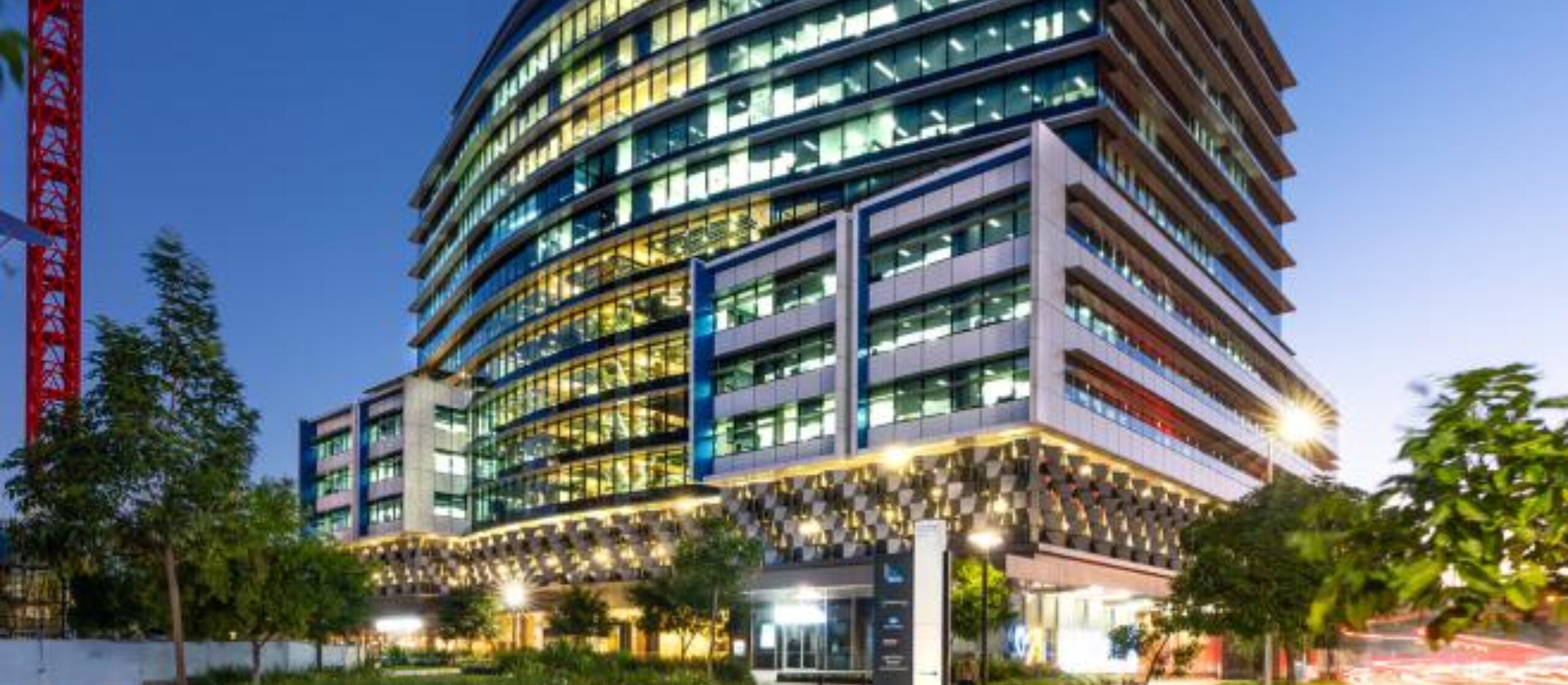
100 Skyring Terrace Building Improves NABERS rating from 4.5 to 6
A modern 12-level A-Grade office building in Brisbane, Australia improved its NABERS rating from 4.5 to 6 stars through data-driven strategies and OpenBlue Equipment Performance.

Graha CIMB Niaga improves energy efficiency in Jakarta
Across its 30,000 m² tower, Graha CIMB Niaga achieves measurable energy savings. With Metasys centralizing HVAC control, the officer tower boosts transparency and streamlines daily operations.
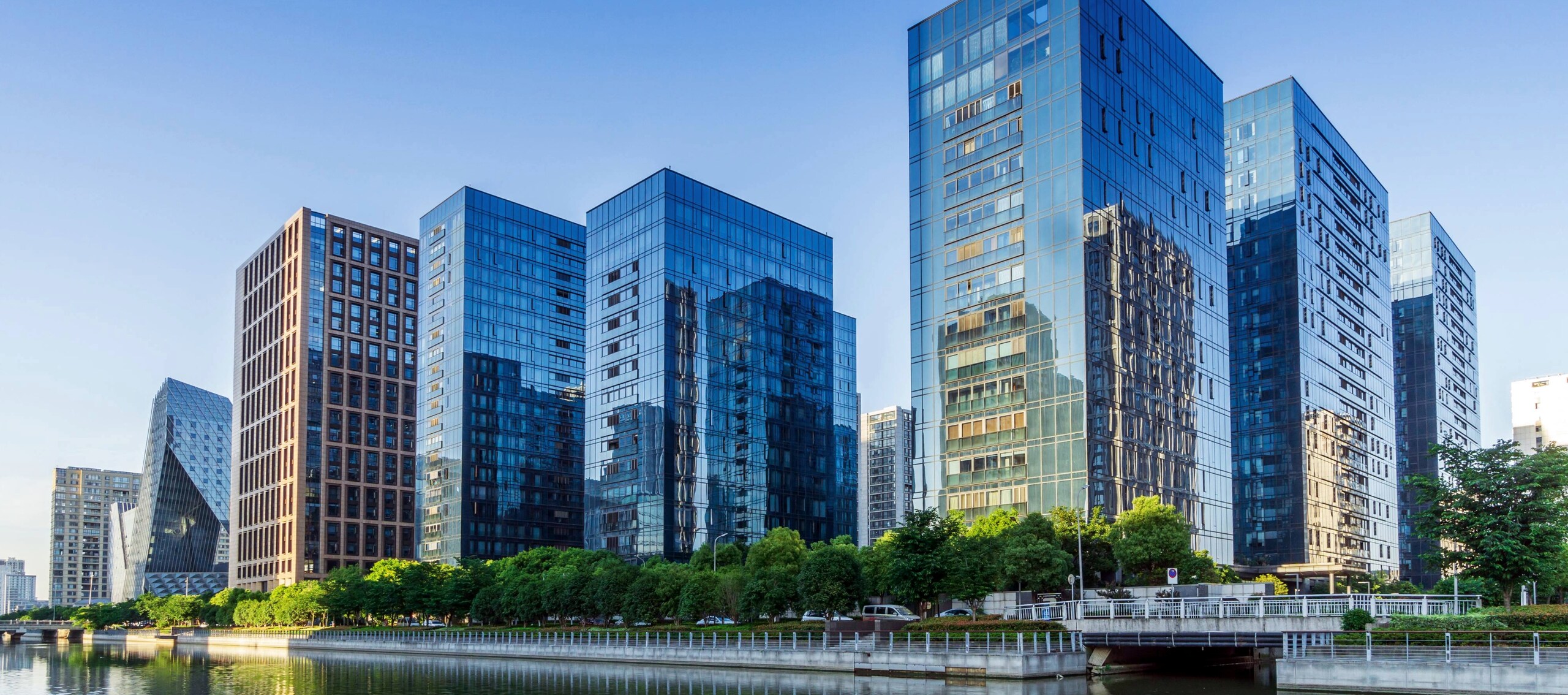
Singapore site reveals major efficiency gains the team can scale regionally
A leading Asia-Pacific real estate company used its Singapore flagship to uncover major potential performance gains, including a 27% lighting energy reduction and significant HVAC savings. With connected data from existing systems powered by OpenBlue digital solutions, the team built a scalable approach to improving occupancy comfort and efficiency across its regional portfolio.

Standard Chartered Bank Achieves Energy Savings Across Asia Pacific
Standard Chartered Bank improved energy efficiency and reduced operational costs across 700 properties using OpenBlue Net Zero Plus.