













































Investing in critical infrastructure to strengthen Milwaukee's future
Impact Highlights

$2.75M+ projected 20-year savings

Nearly 60% of DPW electricity supplied by on-site solar

40% trained Milwaukee resident workforce
Modernizing critical infrastructure while addressing interconnected municipal priorities
Leaders also wanted to reduce long-term operating expenses, generate more power locally, and improve visibility into utility costs, energy consumption and renewable energy generation. Without centralized data, identifying savings opportunities, measuring project performance and reporting progress toward citywide goals was difficult.
The City needed a funding strategy that could accelerate improvements, use available federal incentives and minimize taxpayer impact. It also wanted the investment to create family-supporting jobs and expand participation by Milwaukee residents through workforce development programs.
Combining guaranteed savings, solar generation and centralized energy management
At the DPW headquarters, two constant air volume rooftop units were replaced with high-efficiency variable air volume YORK ® rooftop units integrated with the Metasys Building Automation Sstem. At Police District 3, more than 1,500 lights were retrofitted with LED technology. City-owned solar arrays increased on-site renewable energy generation at both facilities.
OpenBlue Sustainability Manager and Green Hub solutions gave the City centralized utility bill management, real-time energy monitoring, renewable energy tracking and public-facing dashboards. These tools support ongoing reporting, performance measurement and data-driven decisions across the participating facilities.
The project also aligned with the City’s Residents Preference Program, connecting the infrastructure work with local training and workforce participation goals.
“The City of Milwaukee is committed to demonstrating how strategic infrastructure investments can advance multiple community priorities at once. Through our continued partnership with Johnson Controls, we’re making measurable progress toward our Climate and Equity Plan while strengthening energy independence, reducing operating costs, creating workforce development opportunities, improving resilience in critical infrastructure and generating long-term savings that allow the city to reinvest in the services residents depend on.”
Erick Shambarger
Director of Environmental Sustainability, City of Milwaukee
Delivering measurable savings, energy resilience and community impact
The project delivers guaranteed annual energy and operations and maintenance savings of $107,083, with projected savings of more than $2.75 million over 20 years. These savings reduce future operating expenses and help preserve public resources for other community priorities.
A 626-kW solar installation at the DPW headquarters is expected to produce approximately 795 MWh annually and supply nearly 60% of the facility’s current electricity needs. A 165-kW installation at Police District 3 is expected to generate approximately 200 MWh annually, reducing reliance on purchased electricity at the critical public facility.
Modernized HVAC equipment, lighting upgrades and improved facility conditions strengthened infrastructure supporting public works and emergency response. Centralized energy management tools also improved the City’s ability to monitor and report progress. Through the Residents Preference Program, 40% of project employees were trained Milwaukee residents, supporting local workforce development and pathways to family-supporting careers in the clean energy economy.
About the City of Milwaukee
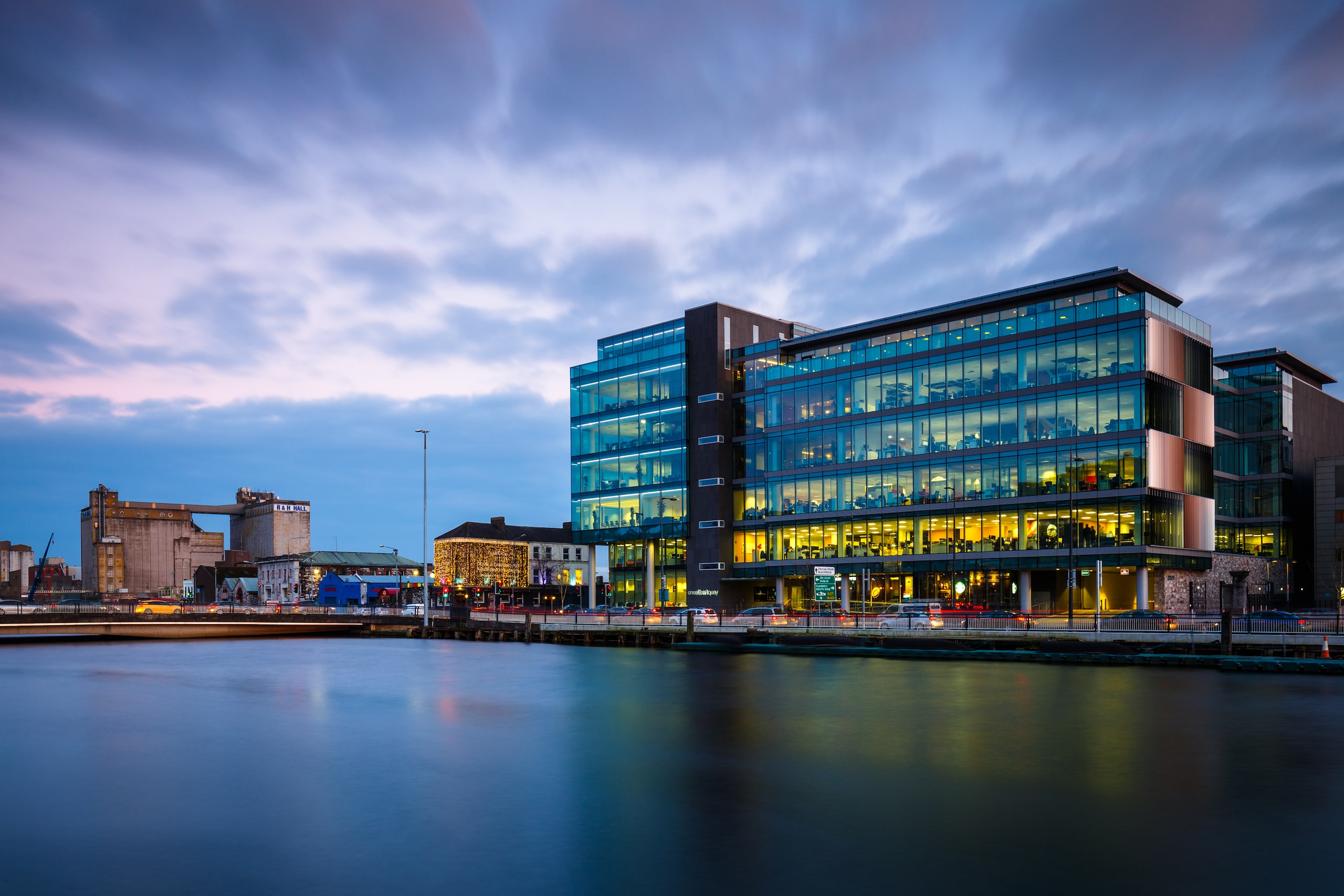
About the facility
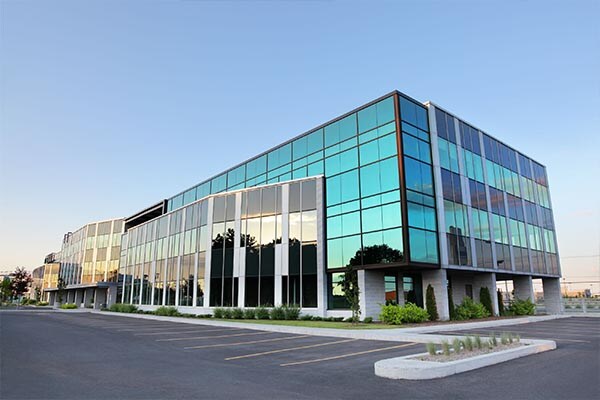
- Department of Public Works headquarters in Milwaukee, Wisconsin
- Police District 3, home to the City’s 911 communications center
- Municipal facilities supporting public works, fleet services and emergency communications
Solutions:


Similar stories
Improving billing accuracy and reducing water loss through smart metering
An Australian real estate group uncovers major efficiency gains by unifying visibility across its six-building complex. OpenBlue digital solutions revealed 1,700 hours of energy inefficiencies and significant savings potential, supporting the real estate group’s broader net zero strategy.

Stadtwerke Rosenheim utility accelerates transition to sustainable heating
Stadtwerke Rosenheim, the municipal utility serving 63,000 residents in Upper Bavaria, is transforming its district heating system to reduce carbon emissions and improve energy security.
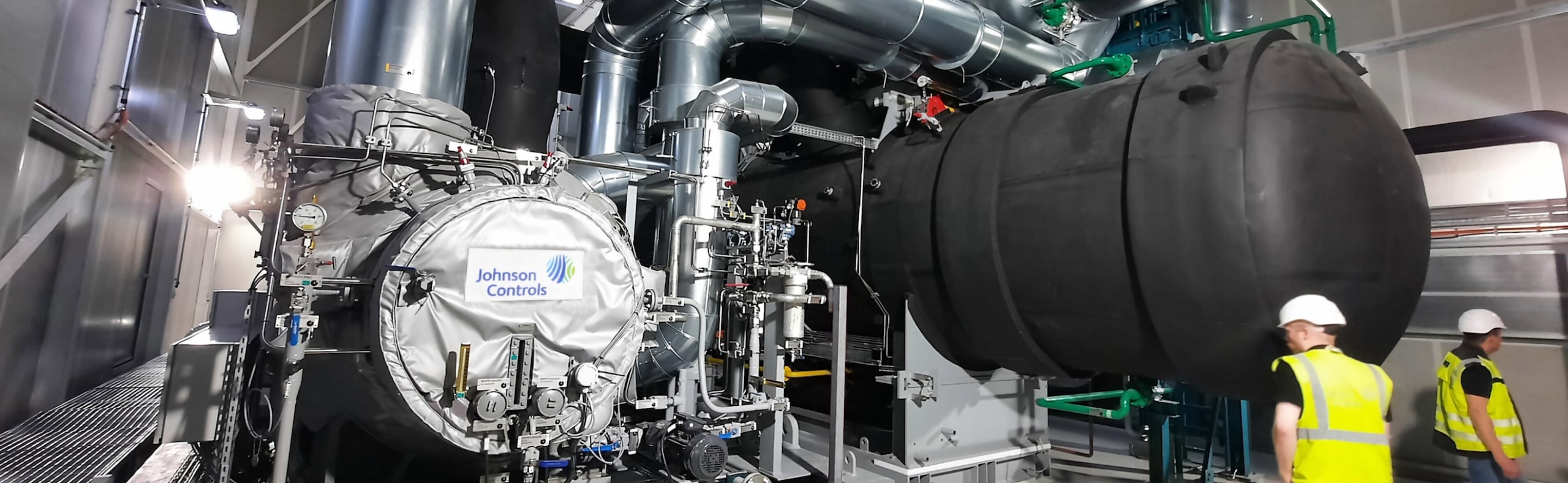
EnBW scales low-carbon district heating with a large-scale heat pump in Stuttgart
A newly commissioned large-scale heat pump at the Stuttgart-Münster combined heat and power plant is now providing low-carbon district heating for thousands of households.

Driving decarbonization across public buildings
Hounslow Council cut carbon emissions by 50% across 61 schools and public buildings through electrification and energy efficiency upgrades. The project saved over 17 million kWh of energy and reduced costs by 50%, accelerating progress toward its 2030 net-zero goal.