
















.jpg?la=en&h=320&w=720&hash=244C75B74F0F77521D56164450973BCD)














.jpg?la=en&h=310&w=720&hash=8D9823F26AA80B2B75C3E4B2E61770DC)


.jpg?la=en&h=320&w=719&hash=13CA7E4AA3E453809B6726B561F2F4DD)
.jpg?la=en&h=306&w=720&hash=F21A7CD3C49EFBF4D41F00691D09AEAC)

.png?la=en&h=320&w=720&hash=18CFCCD916C92D922F600511FABD775D)









A long-term infrastructure strategy for campus cooling
Working with Johnson Controls, the university implemented a campus-wide district chilled water system that connected 17 buildings and used both new and existing equipment. The $11 million project was funded entirely through avoided costs and paid for itself in 11 years. A performance contract guaranteed construction and utility costs, eliminating budget risk from day one. The expandable network also enabled future campus growth.
Impact Highlights

$11 million project funded entirely through avoided costs

11-year project payback

17 buildings connected to the chilled water network
Modernizing varied HVAC systems across more than 30 buildings
The university needed the most cost-effective long-term infrastructure strategy for a 225 acre campus with 40 buildings. The approach also needed to support future expansion.
Funding was another central consideration. The university wanted to complete the infrastructure project without taking on budget risk, while making effective use of new and existing equipment across the campus.
Building an expandable district chilled water network
Missouri State University worked with Johnson Controls to implement a campus-wide district chilled water system. The project connected 17 buildings through a network designed to support future growth.
The university’s campus HVAC modernization strategy used both new and existing equipment. This approach established a shared chilled water network while retaining infrastructure already in place.
A performance contract provided the funding structure for the university infrastructure project. The $11 million investment was funded entirely through avoided costs, with construction and utility costs guaranteed from the start.
Johnson Controls enabled the university to deliver an expandable district chilled water network aligned with its long-term campus infrastructure needs.
$11 million project pays for itself in 11 years
The completed district chilled water system connected 17 campus buildings. The expandable network enabled future campus growth, and the project incorporated both new and existing equipment across the campus.
About Missouri State University
About the facility
- 225-acre campus
- 40 buildings
- 17 buildings connected to the chilled water network
Solutions:


Similar stories
Developing a research-focused campus district for long-term growth and operational reliability
In support of its goal of strengthening its position as a leading research university, the University of Kansas partnered with a consortium that included Johnson Controls to address critical infrastructure needs and design and build a 55-acre Central District Development.
Modernizing campus operations for a more efficient future
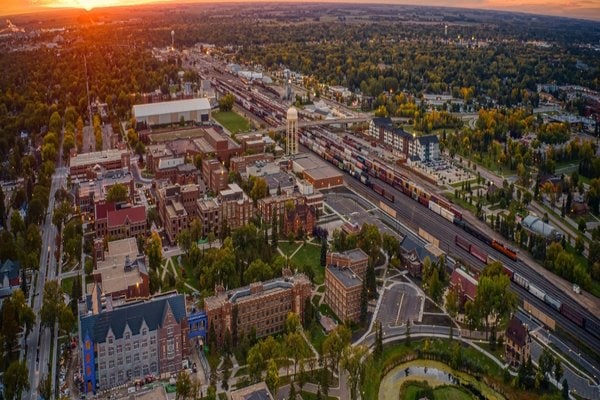
The University of North Dakota sought to replace an aging coal-fired steam plant, reduce greenhouse gas emissions, improve energy security, and address deferred maintenance across its campus.
Advancing a renewable energy future while modernizing campus infrastructure
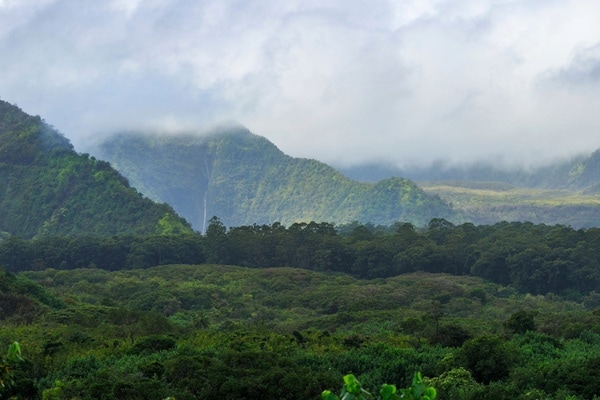
University of Hawaiʻi Maui College set out to modernize campus infrastructure while advancing a long-term transition to renewable energy. Located in Kahului, Maui, the public college needed to address aging facilities, high energy costs and a deferred-maintenance backlog.

Modernizing campus infrastructure while protecting long-term financial strength
Samford University, Alabama’s largest private university, needed to modernize an aging 2.8 million-square-foot, 122-building portfolio while supporting record enrollment growth and maintaining long-term financial strength.