
















.jpg?la=en&h=320&w=720&hash=244C75B74F0F77521D56164450973BCD)














.jpg?la=en&h=310&w=720&hash=8D9823F26AA80B2B75C3E4B2E61770DC)


.jpg?la=en&h=320&w=719&hash=13CA7E4AA3E453809B6726B561F2F4DD)
.jpg?la=en&h=306&w=720&hash=F21A7CD3C49EFBF4D41F00691D09AEAC)

.png?la=en&h=320&w=720&hash=18CFCCD916C92D922F600511FABD775D)







Advancing DERConnect through Johnson Controls-connected campus infrastructure
The University of California San Diego (UCSD) developed DERConnect, a firstof-its-kind grid-scale living laboratory to better understand how distributed energy resources, such as solar panels, wind turbines, smart buildings, and electric vehicle batteries, can be integrated into the power grid.
Johnson Controls supported DERConnect by connecting campus buildings and infrastructure, enabling real-time control and data insights to advance research and support collaboration with external researchers and industry.
Impact Highlights

Achieved 2-second monitoring & control

Accelerated grid innovation

Enabled real-time grid control
Validating distributed energy systems at real-world scale
As renewable energy and electric vehicles increase variability across the energy landscape, UCSD needed a way to better understand how distributed energy resources can be integrated into the power grid.
Traditional lab environments lacked large-scale, real-world testing capabilities, limiting the ability to validate new energy technologies, control strategies, and algorithms.
At the same time, fragmented energy management across thousands of distributed assets reduced visibility and coordination, slowing innovation.
Enabling a campus-scale living laboratory
UCSD established DERConnect, a grid-scale living laboratory that combines connected buildings with large-scale simulation to enable real-world testing of distributed energy systems.
Johnson Controls supported the initiative by:
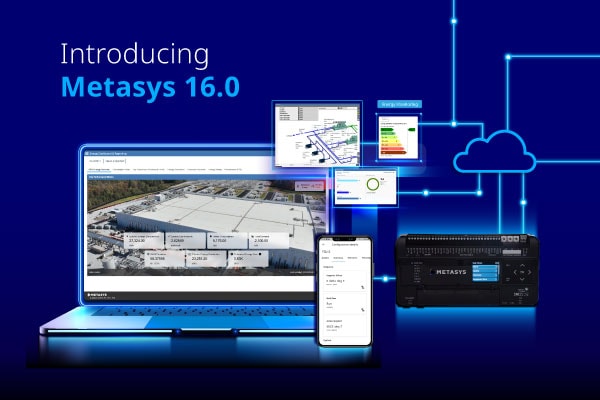
- Connecting 11 campus buildings to DERConnect Lab through Metasys Building Automation System, enabling real-time control of HVAC, lighting, and energy systems within a programmable microgrid.
- Delivering upgrades across buildings, including controls, mechanical equipment, lighting and metering.
- Providing data logging and indoor environmental monitoring to support continuous research and validation.
This integrated approach enabled a unified platform for testing, optimizing, and scaling distributed energy strategies.
Advancing grid innovation through real-world testing
UC San Diego now operates a connected campus environment that supports advanced experimentation with distributed energy resources and grid-interactive technologies.
By connecting buildings and energy systems into a unified platform, students, faculty, companies and organizations can test, optimize, and scale new approaches to integrating distributed energy resources.
- Enabled building metering and control every 2 seconds across campus.
- Scaled testing with 2,500+ connected devices and ~2M simulated nodes.
- Supported Distributed Energy Resources Management System (DERMS)-enabled research and testing within an advanced campus microgrid.
- Advanced a $42M, NSF-funded model to modernize resilient, low-carbon energy systems.
About University of California San Diego
The University of California San Diego is a leading research institution advancing innovative solutions for energy systems and sustainability. Through DERConnect, UCSD is developing new approaches to integrate distributed energy resources, improve grid reliability, and support low-carbon energy systems.
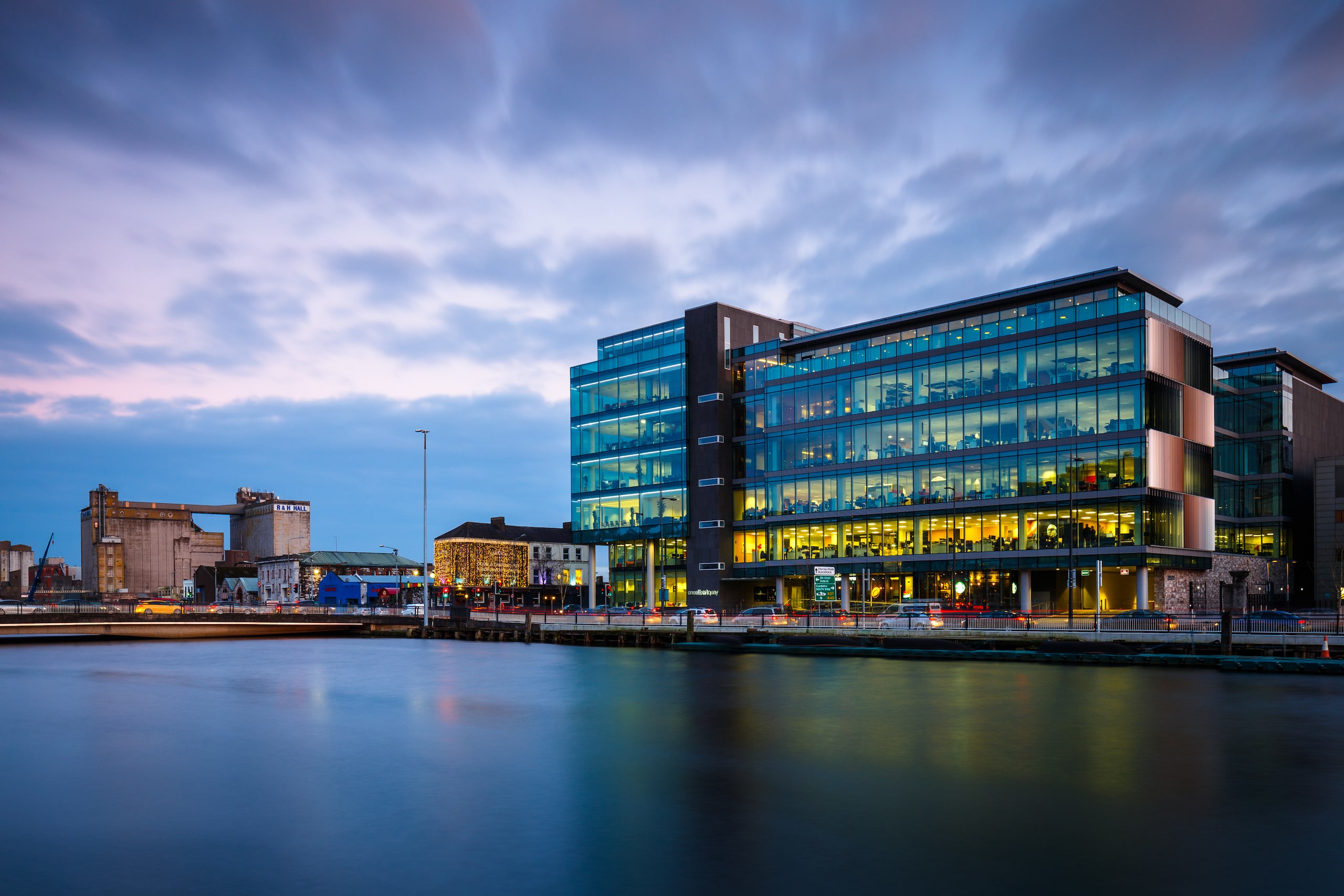
About the facility
- $42M NSF-funded grid-scale DERConnect testbed
- 2,500+ distributed energy resources (DERs)
- 11 connected buildings
Solutions:


Similar stories

A Midwest University Optimizes Campus Operations with Metasys BAS
A Midwest university improved campus operations by reducing system overrides by 88% and eliminating 230+ engine duplicates using Metasys BAS.
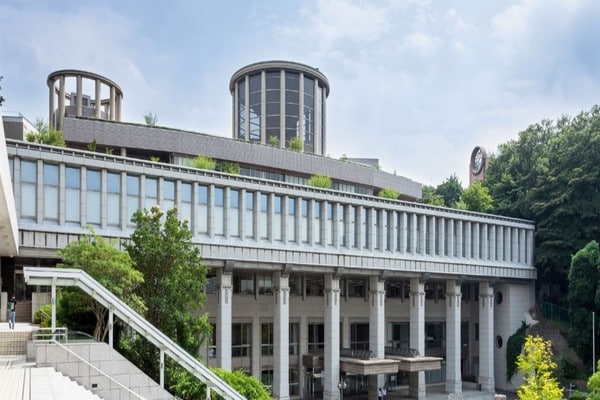
Senshu University
Senshu University modernized building management across its Ikuta Campus, achieving 25% annual energy and cost savings through centralized monitoring and automation.
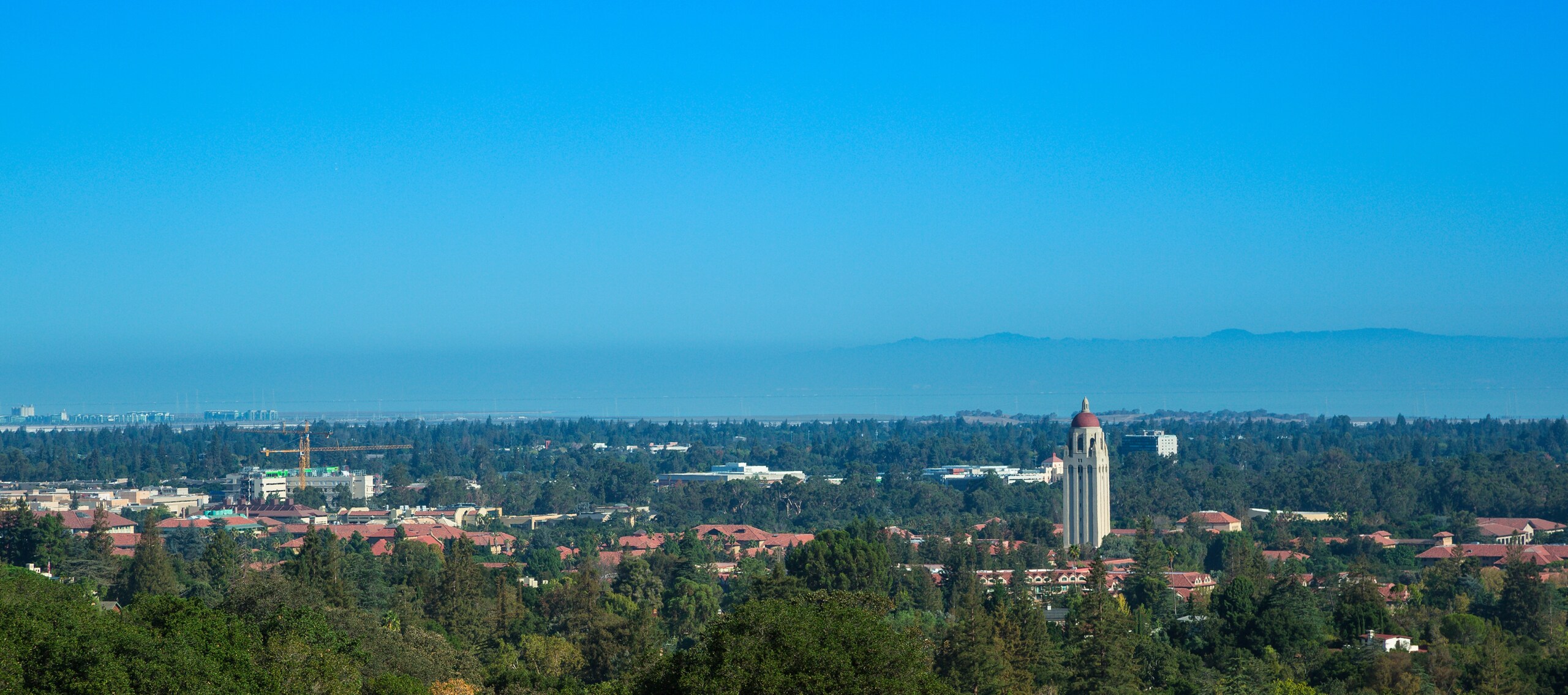
Stanford reduces peak energy demand by 17% and lowers GHG emissions by 68%
Stanford’s SESI redesign slashes energy demand and emissions, setting a new benchmark for sustainable campuses.

Georgia university achieves $90K in annual savings with data-driven maintenance
A leading university strengthened campus-wide performance by adopting data-driven maintenance. With clearer insights across 40 buildings, teams cut manual work and achieved nearly $90,000 in savings while supporting research productivity and student experience.